The SPD 61 Interview:
Sandra Navarro & Mike Schnaidt
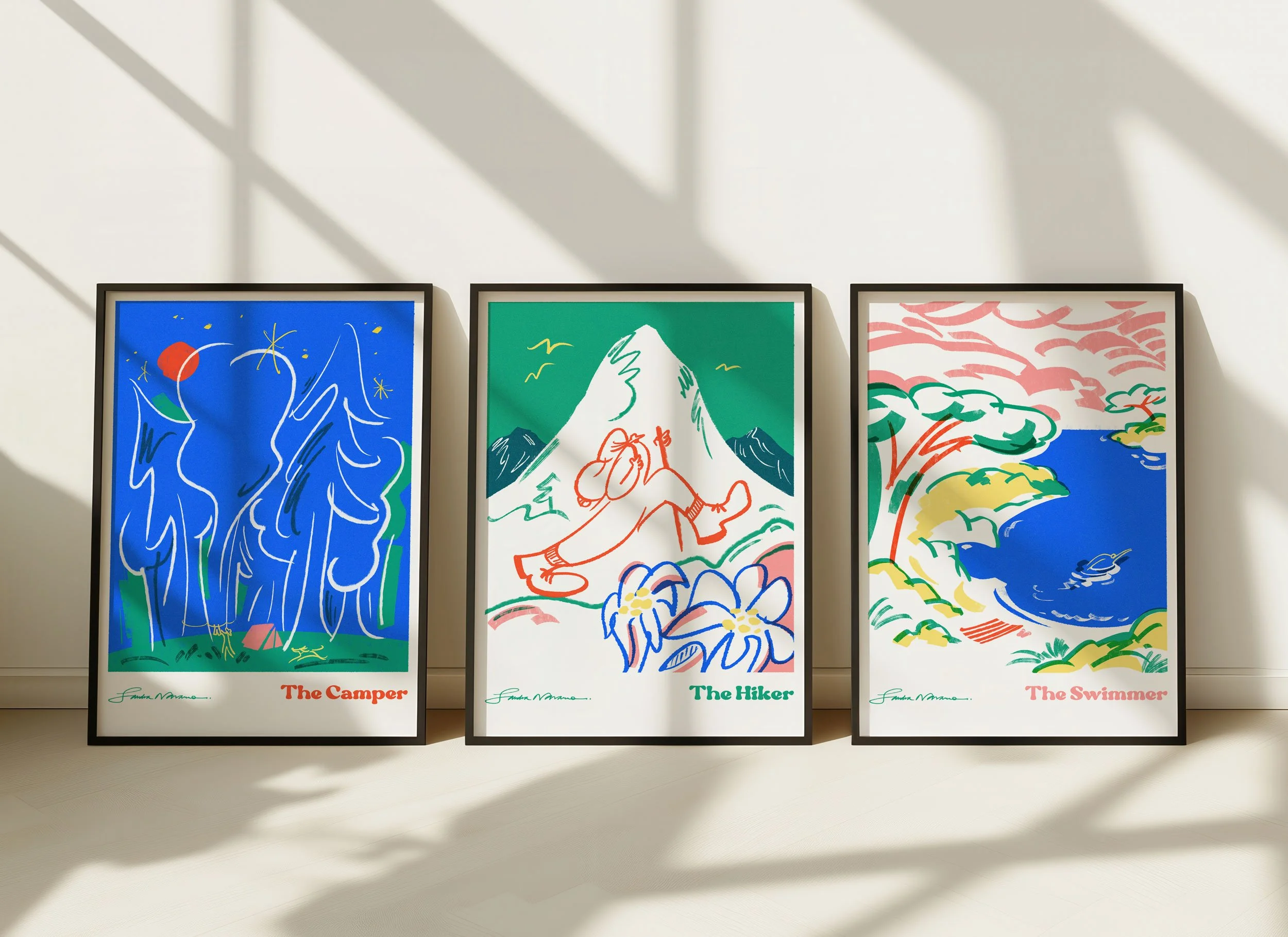
SPD 61 Chair Mike Schnaidt chats with Sandra Navarro about her work and process as an illustrator. See her illustrations in the SPD 61 Call for Entries and enter before January 23, 2026!
Read on below for the full interview and follow her on Instagram at @sandranavarro_illustrator.
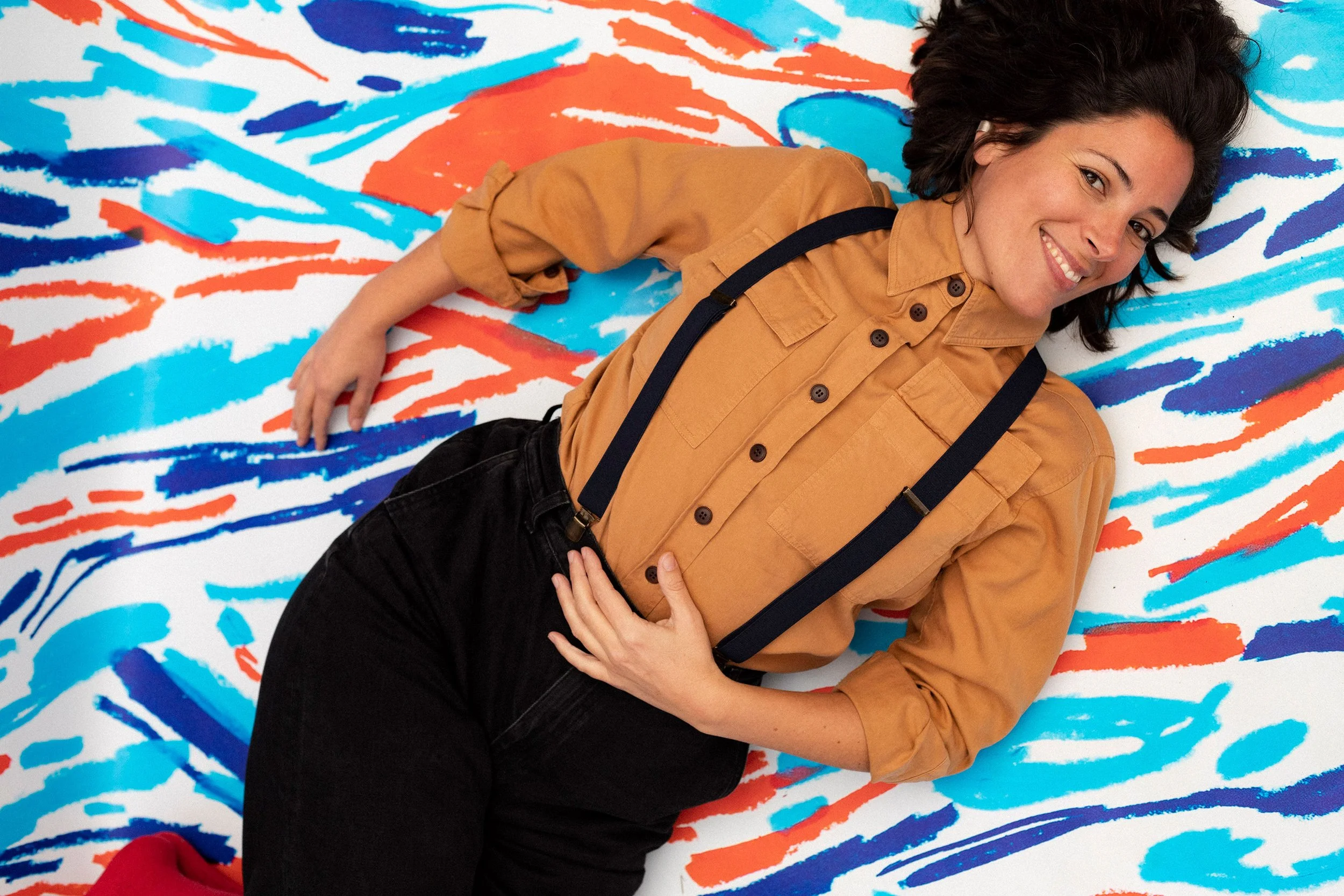
Photo: Cecilia Díaz Betz
Mike Schnaidt: When did you realize illustration was the career for you?
Sandra Navarro: I was 23, had just finished my Advertising degree, and I was studying Fine Arts while working part-time as a graphic designer at a studio. Since I enjoyed drawing (and wasn’t too bad at it), I was assigned projects that required illustration. I found those much more fulfilling than design, and that’s when it clicked that illustration could be the right path for me.
So, after three years at the studio, I left my job, and pursued a career in illustration. I also started looking for an illustration agency interested in representing an enthusiastic beginner, and lucky me, I found one, Pickled Ink, and they were brilliant.
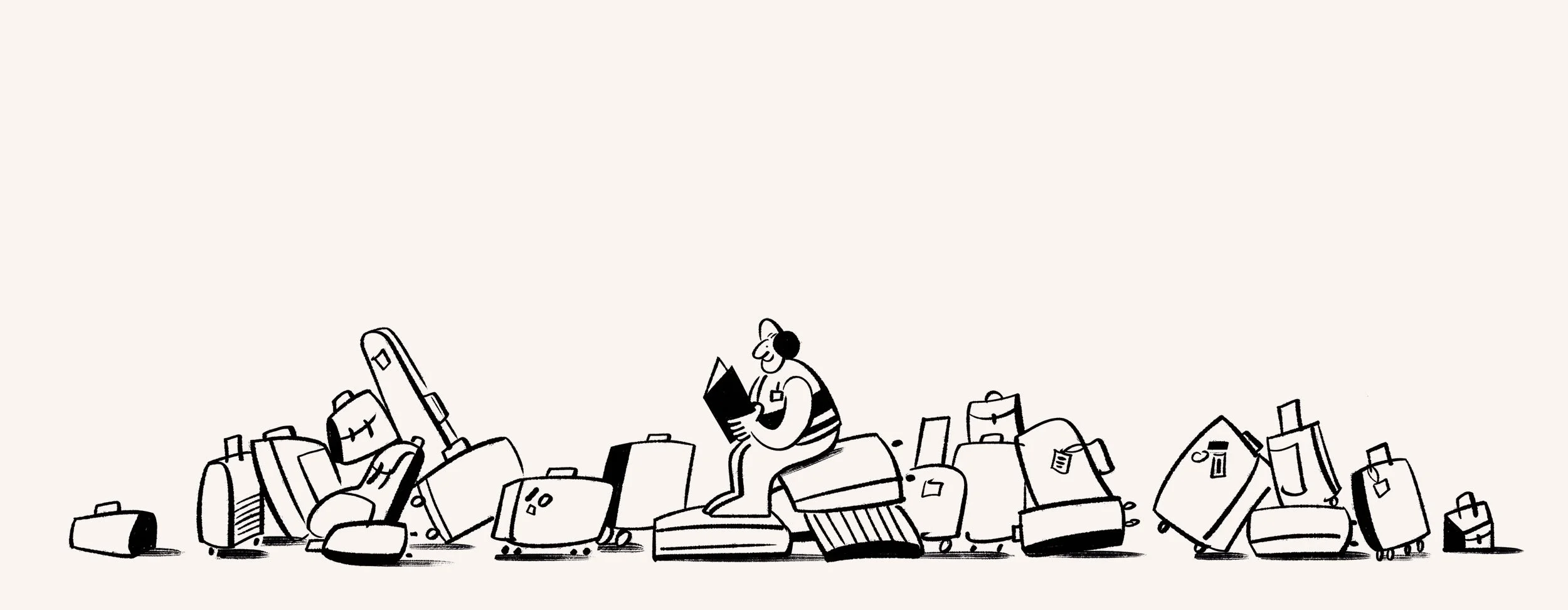
Illustration for The New Yorker
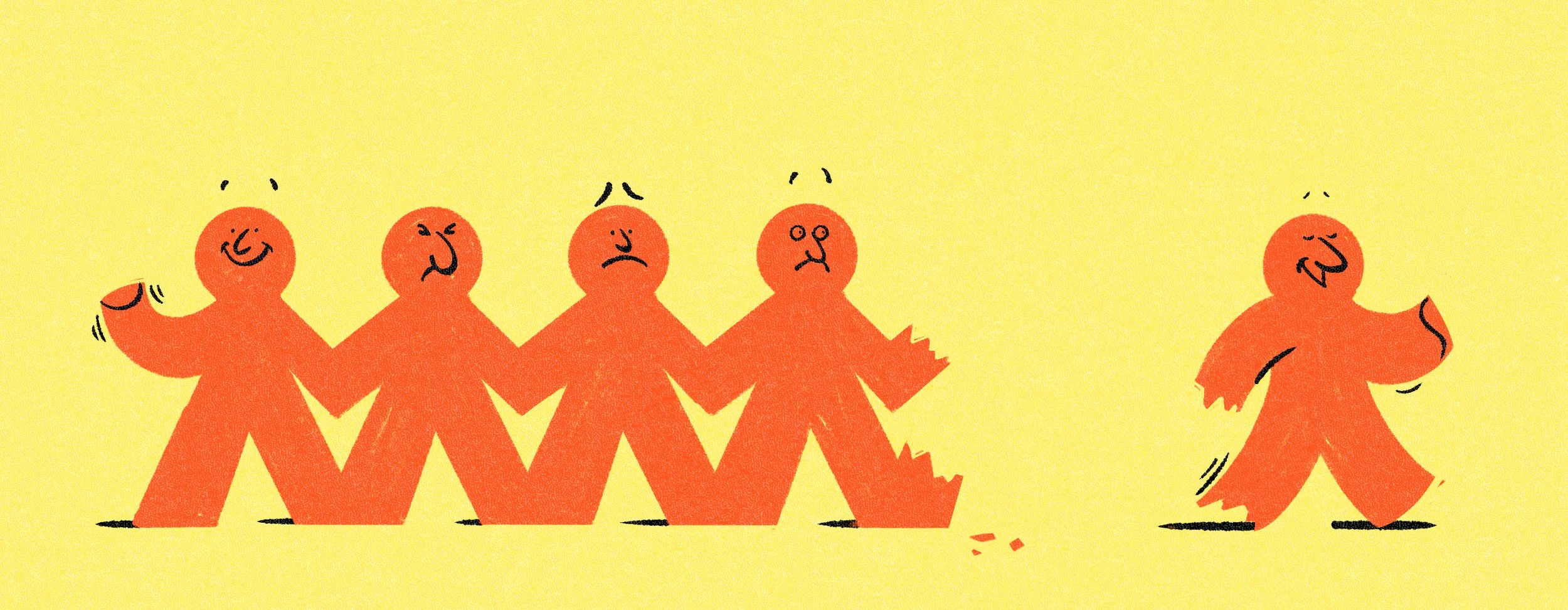
Illustration for Harvard Business Review
MS:What was your first illustration assignment?
SN: I’d like to highlight my first editorial assignment. It was especially meaningful to me because after years working in children’s book illustration, I left my illustration agency and was starting from scratch in this new sector, trying to make contacts. So I reached out to the art director of El País, Diego Areso, and shared a Black Friday illustration to see if he might be interested in publishing it.
He told me he really liked it, but the layout was difficult to match the newspaper’s design. Two weeks later, though, he got back to me with what would become my first editorial assignment, and it was a cover!
I’ll always be grateful to Diego for trusting my work and giving me that opportunity. He’s still one of my favourite clients today.
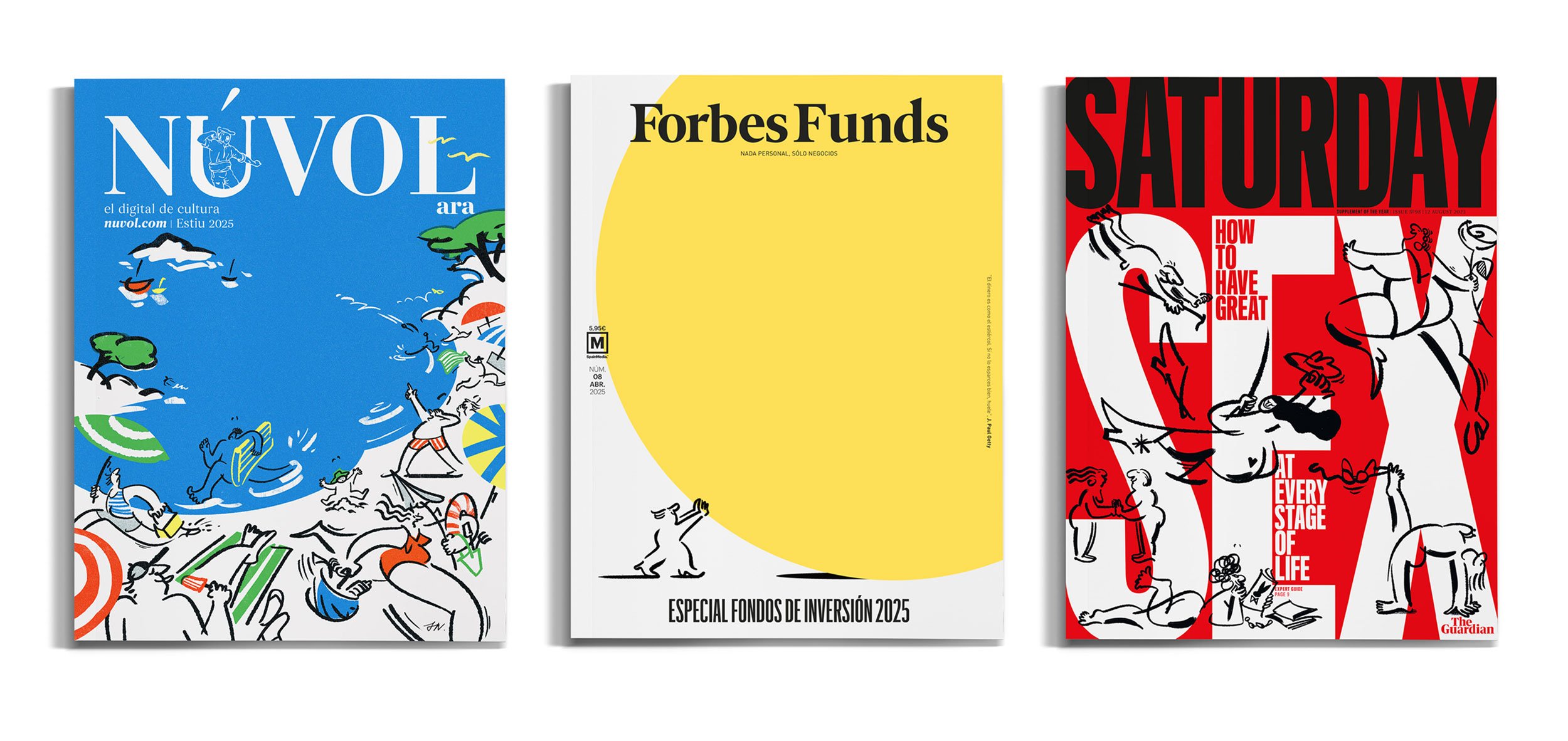
Cover illustration for Núvol, Forbes Spain, and The Guardian
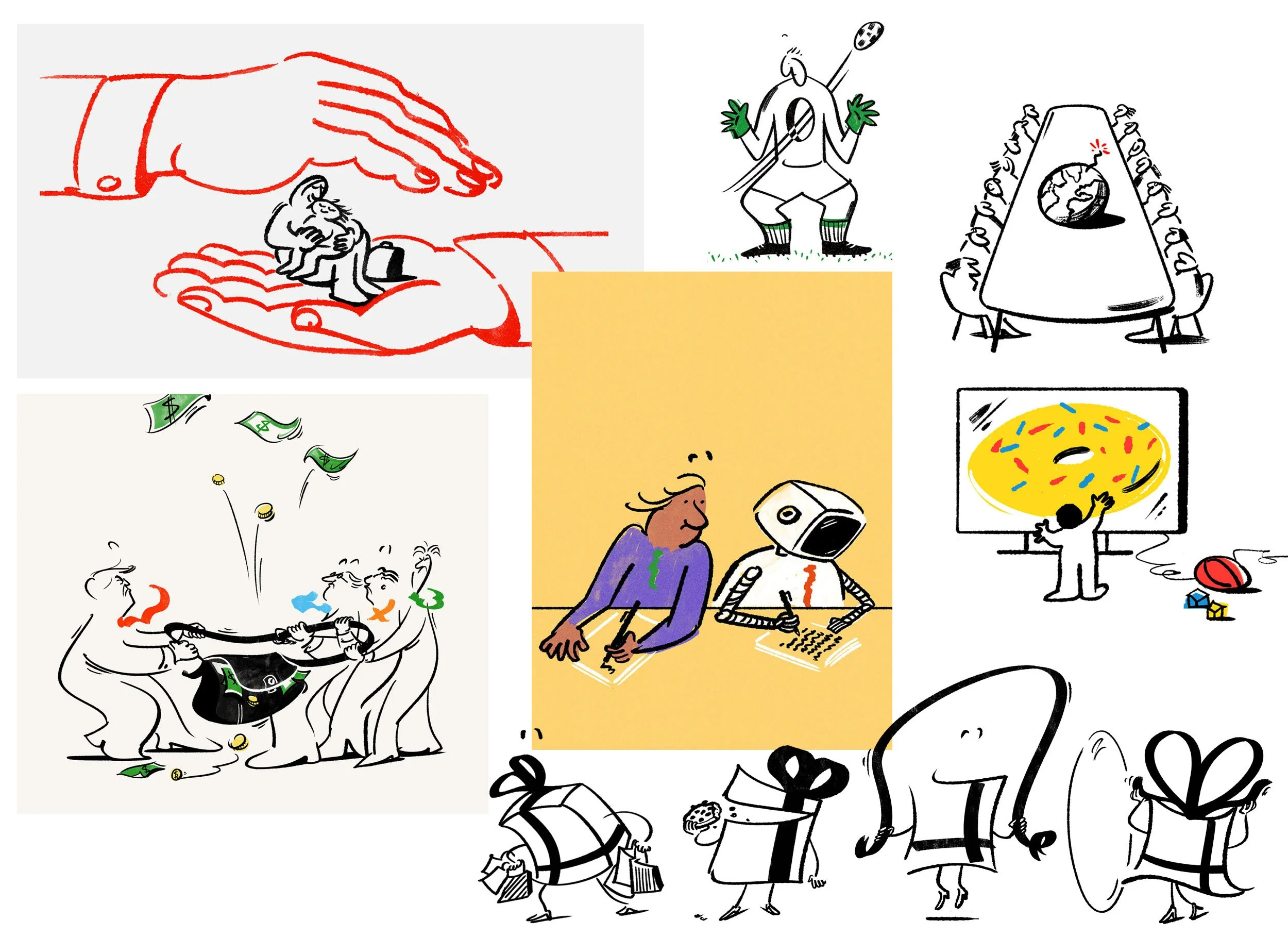
Illustrations for The Economist, The New York Times, The Guardian, and Harvard Business Review
MS: Describe the moment you first felt like your work actually looked like you.
SN: In my early years, when I was focused on children’s books, like most of us, I was experimenting a lot, searching for my visual voice. While working on The Great Chocoplot by Chris Callaghan, I remember sketching characters with a soft pencil when, among the countless rough lines I’d usually put down before finding the right one, a spontaneous expressive line appeared out of nowhere (or maybe it was there all along), its thickness shifting vigorously, like a snake. “What’s this?!” I thought. That gesture truly resonated with me, and in some way, I knew that moment was significant.
Since then, my line has kept evolving from a sensitive shaky line to one that’s more straightforward and decisive. Some days, I can even feel my energy running through the line.
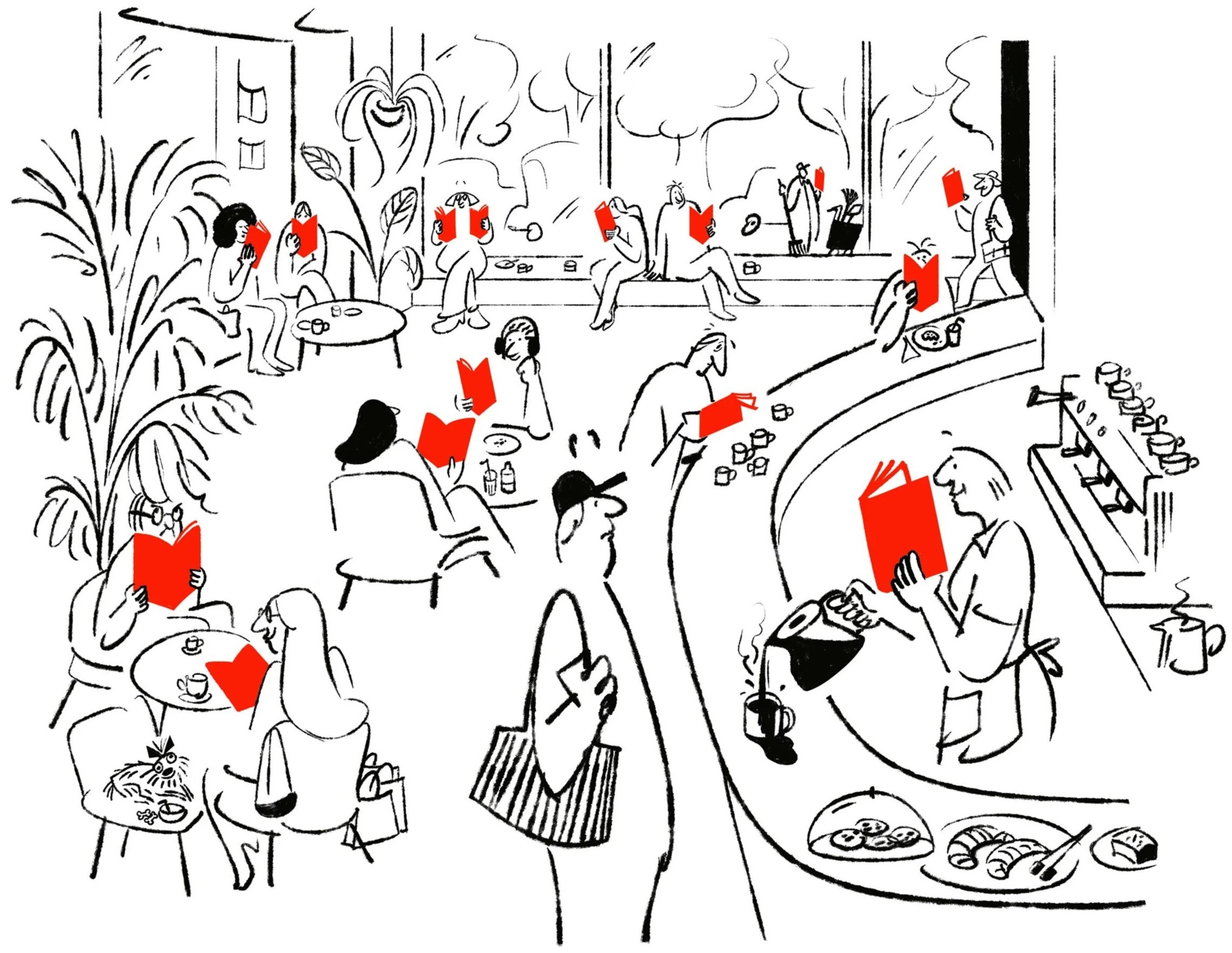
Illustration for El País
MS: When you’re stuck on a piece, what do you do?
SN: Productive procrastination can be weirdly inspiring! It lowers my emotional pressure when I’m stuck. Switching to a simple task (or changing environments) interrupts the spiral of frustration and self-criticism, and taking action helps me reset and come back with a clearer mind.
Because I’m a perfectionist with ridiculously high standards for myself, getting stuck is an old amigo. I see my inner critic as a mean coach who always says, “Not great”. So I often hit a mental block when my ideas don’t make the cut and frustration does the rest, when I can’t clearly visualise what I want to illustrate, or on those days when I feel zero inspiration and it seems like a chimpanzee drawing with its mouth could do a better job than me.
So a sample of my routine when I’m blocked can be like this: I sit down and start coming up with ideas → I can’t visualise what to draw, or worse, the ideas are “not great” → I feel overwhelmed → I try → I try again → I’m not inspired → I keep trying → nothing works → I make a coffee → still nothing… Great, apparently it’s the chimpanzee’s turn to draw → another coffee → I try to take a siesta → no chance (too much coffee) → hmm, that drawer clearly needs reorganising right now… → Alright, it’s time to stop and leave the house, so I go to “work” at a café… Wait a minute, they’re playing a terrific song, let me look up the artist… → And just like that, that song sparks the inspiration I needed for my project :-)
So, to answer the question: patience and self-compassion, with the hard-to-please coach too. She only wants the best, just like me.
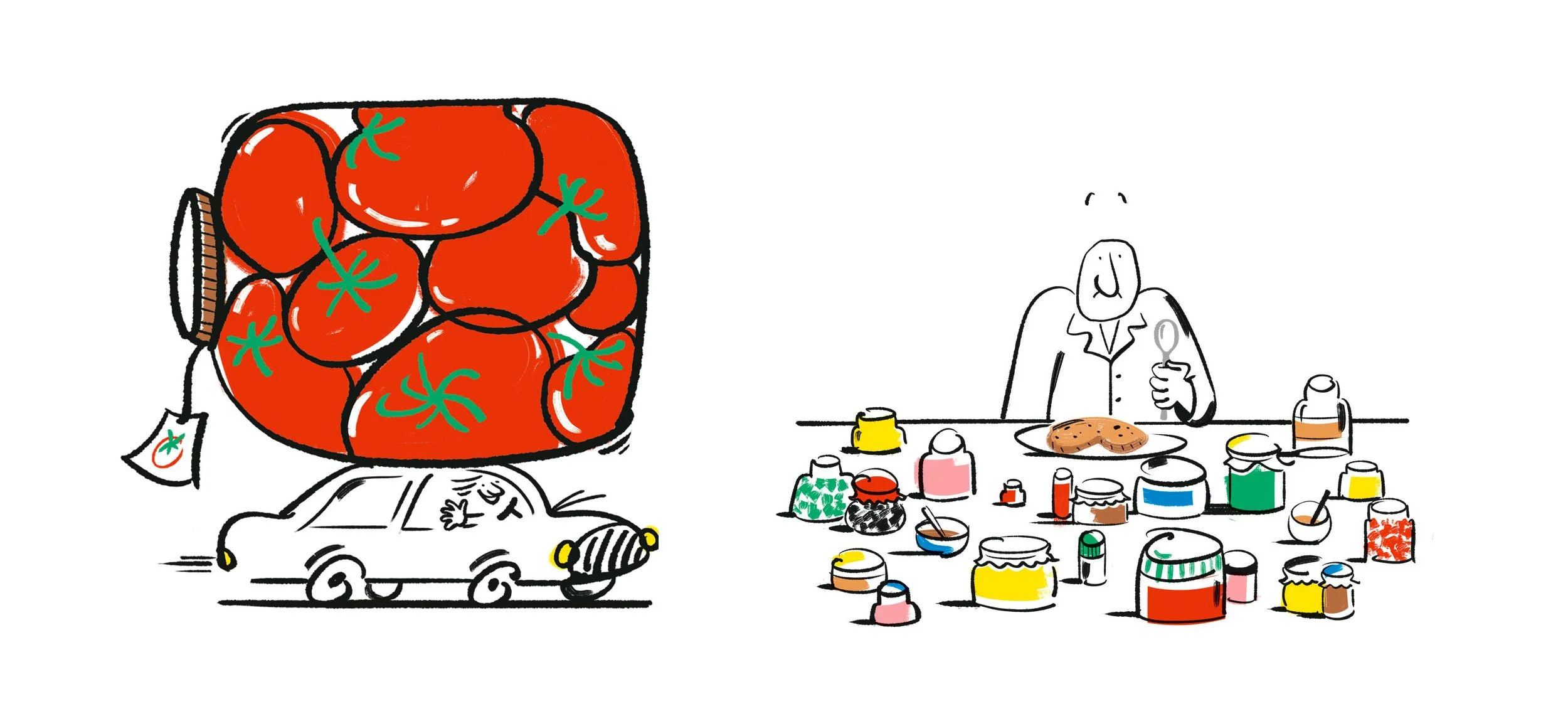
Illustrations for Torres Import
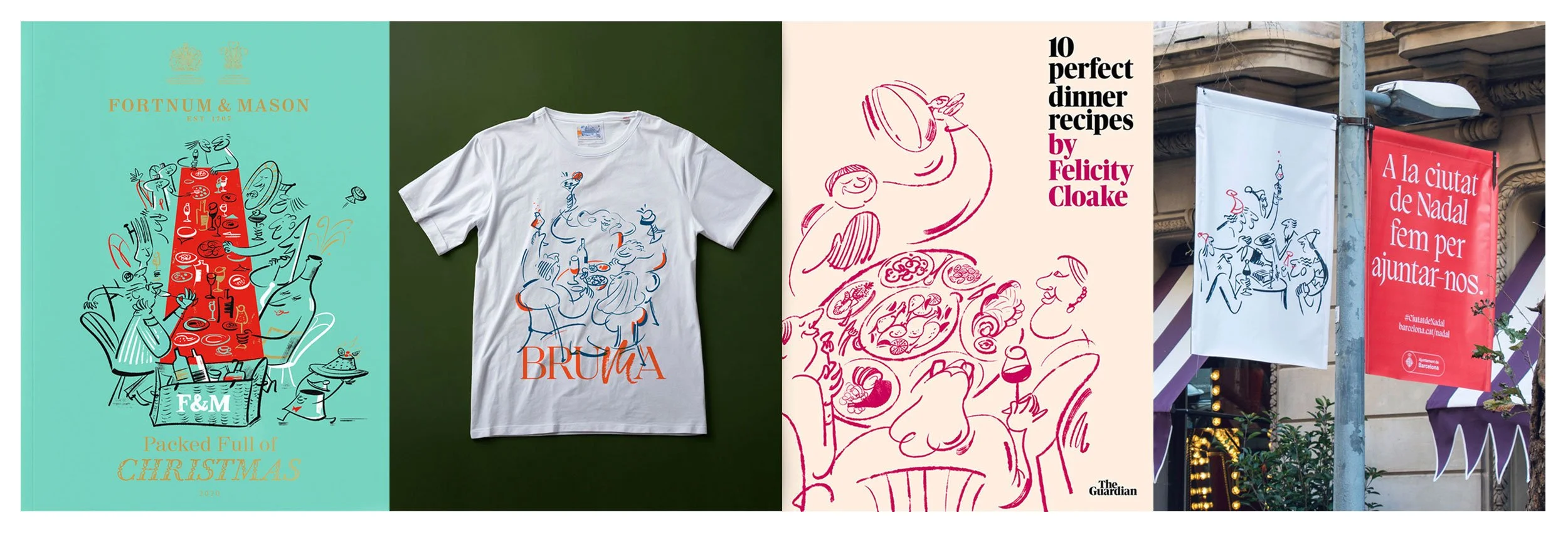
Illustrations for Fortnum & Mason, Bruma Restaurant, The Guardian, and Barcelona City Council
MS: What’s one thing clients always get wrong about illustrators?
SN: Honestly, I don’t usually have complaints about my clients. But if you twist my arm, there are a few misconceptions:
Sometimes a “simple” illustration is assumed to be quick and effortless, even though there’s still research, concept development, and a lot of trial and error behind it, sometimes repeating the same stroke again and again to find the right one.
Sometimes people reach out without really knowing your style yet, and the request doesn’t quite match what you do best.
Sometimes they want exactly what they’ve already seen in your portfolio, and for that exact same reason I’ve drawn dinner-table scenes so many times that it’s hard not to repeat myself.
I’m very thankful for my clients, and I also believe it’s a two-way street: clear communication and trust make everything better.
Sometimes it can be challenging to admit (especially when you take it personally) but a client's feedback can take a project in an unexpected direction, and it can genuinely lead to a stronger result.
In my experience, it can show up more in advertising and branding, depending on the project. Since I’m more focused on editorial work, the relationship with art directors is usually more peer-to-peer. They speak the same language, and it’s a huge relief when the budget and usage are defined up front.
MS: If you weren’t doing this, what job would you be terrible at—but secretly want to try anyway?
SN: I love animals, and I’d love to work in a wildlife reserve or sanctuary, helping care for endangered animals and feeling like Jane Goodall. The problem is, I tend to have a severe allergic reaction to mosquito bites, bad enough that I sometimes need an injection, and I’m pretty sure the jungle has a few mosquitoes… and the big ones. So it could get tricky for me, but despite that, I’d still love to try, even if I end up itching like hell and all the bites turn into one big welt all over my body.
Anything for the animals! (Just not the ones who draw better than me ;-)).
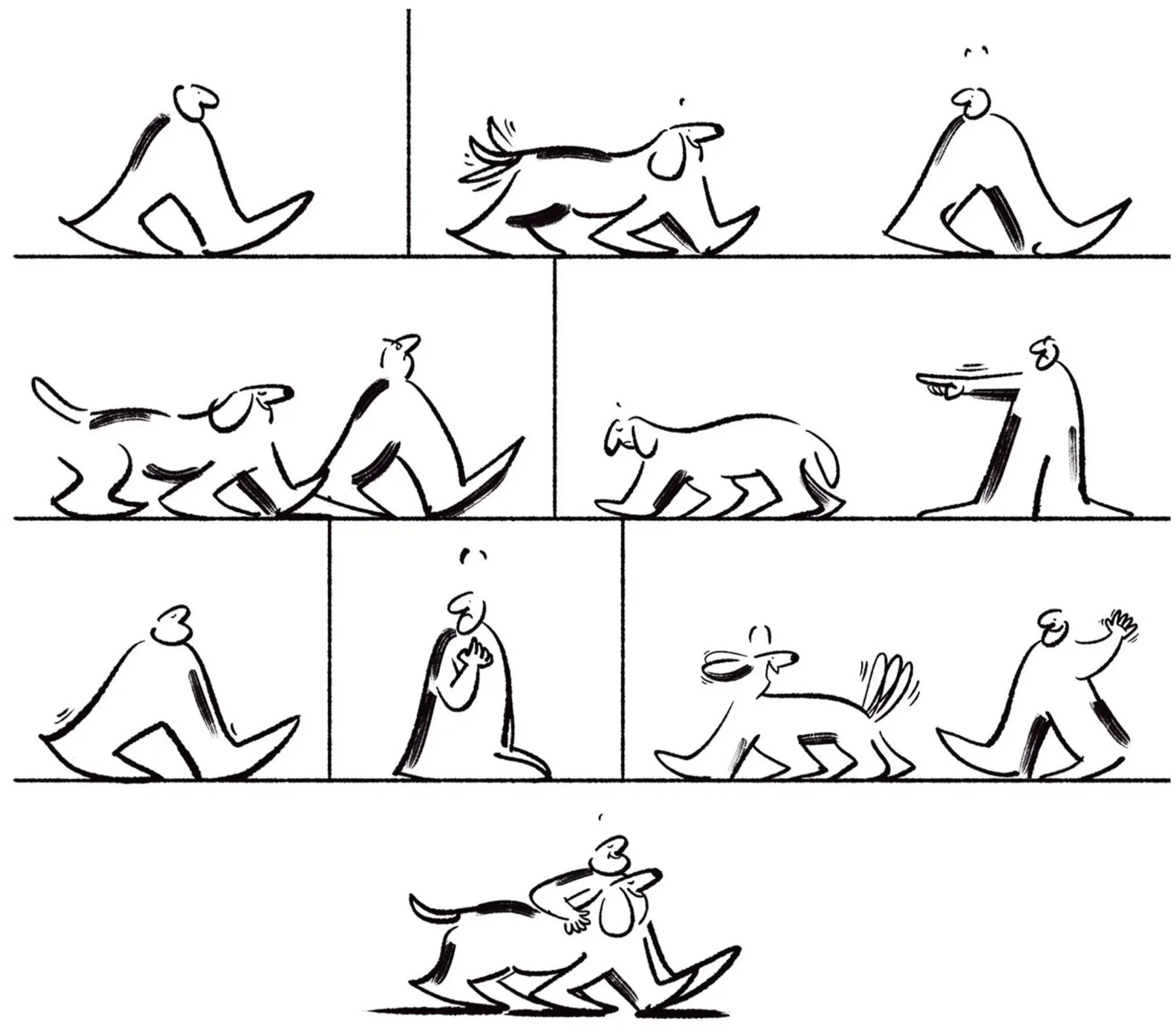
Illustration for El País